Tuesday, September 2, 2025

Why Some Companies Grow While Others Fade: Think MPH, Jamaican Style


 In Jamaica, we’ve seen businesses rise from humble beginnings to become household names — and we’ve also watched others crash and burn. So what’s the difference? Why do some companies survive the test of time, while others mash up?

It comes down to three simple principles: MPH — not the speed limit, but something every business owner should live by.

M – Meritocracy

Jamaicans have a saying: "Every mickle mek a muckle," but that only works if the people putting in the mickles know what they're doing. Choose the right people for the job — not just who you know. Nepotism might feel like the easy route — giving a work to your cousin or friend — but ask yourself: Are they really the best fit?
If your business is serious, then your hiring should be too. The success of your company depends on it.

P – Pragmatism

Jamaicans are known for being resourceful — “tun yuh han’ and mek fashion.” That’s pragmatism at its core. It doesn't matter where the idea comes from — foreign or yard — if it works, use it!
Don’t get caught up in big talk or trying to follow some foreign model if it doesn’t fit your business. Whether the “cat” is black, white, or even purple — if it catches rats, keep it. What matters most is results, not appearances.

H – Honesty

We’ve seen too many businesses in Jamaica fall apart due to corruption and corner-cutting. Some start off with promise, but get caught up in badmind, greed, or shady dealings.
The truth is, if the leader nuh have integrity, the whole ship can sink. Look at what happened with big foreign companies like Arthur Andersen. From the outside, it looked like things were running smooth, but behind closed doors, it was a different story. One audit later — and boom! — gone.

In Jamaica, word travels fast. If you’re known to deal fair and square, people will support you. If not, “duppy know who fi frighten.”


Final Thoughts:

In the Jamaican business landscape, MPH isn’t just a clever acronym — it’s a survival code. Build on merit, stay practical, and always keep your business clean.

Respect the process, respect your people, and above all — respect yourself.

Thursday, September 1, 2022

CBD products are everywhere but do they work?


By now, you’ve probably run into a product containing cannabidiol, also known as CBD. It’s in everything from drinks and pet products to lotions and chewable gummies. Even major drugstore chains have announced they will start carrying CBD products in certain states. But many people still don’t really know what CBD is. Is it marijuana? Is it legal? Does it actually work? Is it safe? The answers to those questions aren’t necessarily straight­forward. The only thing that is clear at this point: The marketing has gone way ahead of the science and the law when it comes to CBD products. That said, CBD is thought to be a safe and effective option for certain conditions. Below, we sort through the confusion by answering some of the most common questions about CBD.

 Is CBD marijuana?

Yes and no. Cannabidiol is one of the two best-known active compounds derived from the marijuana plant. The other is tetrahydrocannabinol, or THC, which is the substance that that produces the "high" from marijuana. CBD does not get you high, but the idea that it’s not psychoactive is something of a misconception in his opinion. It does change your consciousness. You may feel mellow, experience less pain, and be more comfortable. In addition, some CBD products do contain small amounts of THC. While CBD can come from marijuana, it can also be derived from hemp. Hemp is a related plant with 0.3% or less of THC. This plant is often used to make fabrics and ropes. As of 2018, Congress made hemp legal in all 50 states, and consequently CBD derived from hemp is also legal. The rules around marijuana-derived CBD, however, are far less clear.

 Is marijuana-derived CBD legal?

Again, yes and no, depending on where you live. In some states marijuana is legal for both recreational use and medical use. In other states, it’s legal only for medical use. And in some areas, it’s not legal at all. When it comes to CBD products, the FDA is still trying to get its arms around the issue. The agency is just starting the process of hashing out some rules regarding CBD sales. Officials recently formed a working group to create guidelines that could allow companies to legally market CBD products. Currently, CBD products are considered supplements, which aren’t FDA-regulated, and it is illegal for companies to make health or therapeutic claims about the products in their marketing. In announcing its effort to set CBD marketing rules, the FDA also signaled that it is cracking down on CBD companies that are using "egregious and unfounded claims" to market their products to "vulnerable populations."


Monday, August 1, 2022

Medical Facts On CBD


1.       Cannabidiol (CBD) is a nonintoxicating compound extracted from Cannabis sativa plants that has gained popularity for medical uses ranging from epilepsy to pain control and addiction treatment because of its differing mechanism of action from marijuana and its safety profile.


2.       Although important preclinical and pilot human studies have suggested a potential role for CBD in numerous clinical situations, thorough clinical studies have only been performed on intractable epilepsy syndromes for which Epidiolex, a CBD drug, was approved by the US Food and Drug Administration for use.


3.       The legal landscape of CBD remains complex because of differing state and federal laws giving access to medical hemp and marijuana products.


4.       The CBD and hemp oil product market remains a concerning one because of noted variability in CBD and tetrahydrocannabinol levels in products, as well as lack of regulation in production and distribution.


5.       Although CBD and hemp oils remain an unproven therapeutic option, physicians should remain open to the possible future role these products may play in the management of a variety of difficult to treat diseases, in particular pain and addiction treatment in the context of the opioid crisis.

Friday, July 8, 2022

Cannabidiol (CBD): What we know and what we don't


Cannabidiol (CBD) is often covered in the media, and you may see it touted as an add-in booster to your post-workout smoothie or morning coffee. You can even buy a CBD-infused sports bra. But what exactly is CBD? And why is it so popular?

How is cannabidiol different from marijuana, cannabis and hemp?

CBD, or cannabidiol, is the second most prevalent active ingredient in cannabis (marijuana). While CBD is an essential component of medical marijuana, it is derived directly from the hemp plant, a cousin of marijuana, or manufactured in a laboratory. One of hundreds of components in marijuana, CBD does not cause a "high" by itself. According to a report from the World Health Organization, "In humans, CBD exhibits no effects indicative of any abuse or dependence potential…. To date, there is no evidence of public health related problems associated with the use of pure CBD."

Is cannabidiol legal?

CBD is readily obtainable in most parts of the United States, though its exact legal status has been in flux. All 50 states have laws legalizing CBD with varying degrees of restriction. In December 2015, the FDA eased the regulatory requirements to allow researchers to conduct CBD trials. In 2018, the Farm Bill made hemp legal in the United States, making it virtually impossible to keep CBD illegal – that would be like making oranges legal, but keeping orange juice illegal.

The evidence for cannabidiol health benefits

CBD has been touted for a wide variety of health issues, but the strongest scientific evidence is for its effectiveness in treating some of the cruelest childhood epilepsy syndromes, such as Dravet syndrome and Lennox-Gastaut syndrome (LGS), which typically don’t respond to antiseizure medications. In numerous studies, CBD was able to reduce the number of seizures, and, in some cases, stop them altogether. Epidiolex, which contains CBD, is the first cannabis-derived medicine approved by the FDA for these conditions.

Is CBD safe?

Side effects of CBD include nausea, fatigue and irritability. CBD can increase the level of blood thinning and other medicines in your blood by competing for the liver enzymes that break down these drugs. Grapefruit has a similar effect with certain medicines. People taking high doses of CBD may show abnormalities in liver related blood tests. Many non-prescription drugs, such as acetaminophen (Tylenol), have this same effect. So, you should let your doctor know if you are regularly using CBD.


Thursday, June 2, 2022

Health Benefits of CBD Oil


Cannabidiol is a popular natural remedy used for many common ailments. Better known as CBD, it is one of more than 100 chemical compounds called cannabinoids that are found in the cannabis plant, Cannabis sativa (1Trusted Source). Tetrahydrocannabinol (THC) is the main psychoactive cannabinoid found in cannabis, which means it causes the sensation of getting high that’s often associated with cannabis. However, unlike THC, CBD is not psychoactive.

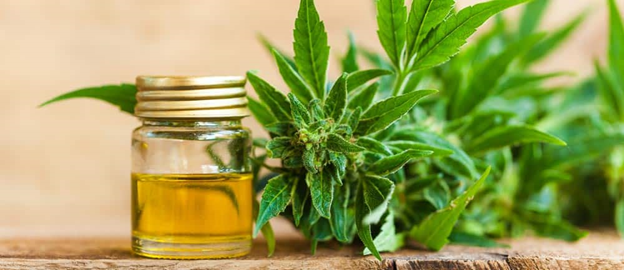
CBD oil is made by extracting CBD from the cannabis plant and then diluting it with a carrier oil like coconut oil or hemp seed oil. CBD can be found in a variety of products online and in stores, including dietary supplements, bath soaks, drinks, and food. It continues to gain momentum in the health and wellness world, with some scientific studies finding that it may ease symptoms of conditions such as chronic pain and anxiety. But is it the right choice for you?

Cannabis has been used to treat pain since as far back as 2900 B.C. More recently, scientists have discovered that certain components of cannabis, including CBD, are responsible for its pain-relieving effects. The human body contains a specialized system called the endocannabinoid system, which is involved in regulating a variety of functions, including sleep, appetite, pain sensation, and immune system response. The body produces endocannabinoids, which are neurotransmitters that bind to cannabinoid receptors in your nervous system.

Studies have shown that CBD may help reduce chronic pain by affecting endocannabinoid receptor activity, reducing inflammation, and interacting with neurotransmitters. Some research suggests that CBD may be effective for certain types of pain, including nerve pain and back pain, when used on its own. Several human studies have found that a combination of CBD and THC is effective in treating pain related to multiple sclerosis (MS) and arthritis. Although researchers are cautiously optimistic that CBD may be helpful in the treatment of some types of pain, especially when combined with THC, more high quality studies are needed to determine its effectiveness in pain management.


Wednesday, May 4, 2022

Improve your health and enhance your life


Let’s get started with breaking the cannabis plant down so you better understand the difference between hemp and marijuana. The cannabis plant has two species: Hemp and Marijuana. Hemp is the species of the cannabis plant that is high in CBD and very low in THC. THC is short for tetrahydrocannabinol this is the psychoactive component found in marijuana.

Most marijuana strains contain no CBD at all they are very high in THC instead. CBD is short for cannabidiol. CBD is one of the hundreds of active compounds found in abundance in the hemp species of cannabis. Hemp and CBD are not the same but the terms are often used interchangeably. CBD is derived from the hemp plant and then used to make a plethora of products.

With hemp flower and CBD products derived from hemp you get all of the healing and medicinal properties from the plant without getting the psychoactive high because hemp contains 0.3% or less THC. When smoking CBD products derived from hemp you don’t have to be concerned with paranoia, munchies, or your mind being impaired because again it contains vert little THC and is totally different from smoking marijuana. Hemp flower does NOT typically show up on drug tests because it contains so little THC. Hemp is legal in all 50 states and can be consumed in many different ways from smoking, vaping, capsules, salves or edibles.

Now that we’re clear on the difference between the two species of the cannabis plant hemp and marijuana let’s discuss how the CBD is processed in our bodies. All humans have an Endo-cannabiniod system, the Endo-cannabinoid system is responsible for maintaining balance in our bodies. It’s responsible for regulating functions in our brain, skin, liver, digestive tract, cardiovascular system and more. We actually produce billions of our own cannabinoids naturally and these cannabinoids are almost identical to the cannabinoids found in cannabis but the cannabinoids we produce naturally get destroyed by enzymes from polluted air, water, and unhealthy foods.

When you use CBD and other products derived from hemp it helps your Endo-cannabinoid system function on an optimal level and it’s because CBD binds to all of the receptors we have throughout the body on a cellular level and those bonds cannot be broken by enzymes. You have more receptors in your body for CBD than you do for anything else, our bodes literally have an affinity for it! There are receptors in the nervous system, cardiovascular system, the immune system, your intestines, spleen, bladder, and bone marrow.

Saturday, April 2, 2022

Why CBD?


CBD is all the rage right now, with claims that it treats a variety of medical problems and acts as a remedy for common ailments like insomnia, anxiety, and pain. Touted for its non-intoxicating qualities and health benefits, CBD almost seems too good to be true. But what is CBD, what kind of effects does it have, and is it addictive? Plus, are all the CBD products out there safe?

Generally speaking, there is a lack of knowledge about CBD, how it works, and how it differs from other cannabis compounds like THC. However, the primary difference between THC and CBD is that CBD is not psychoactive. In other words, it won’t get you high. There are several different kinds of CBD products out there, including gummies, chocolates, skincare products, and even pet treats, many of which can be purchased at: www.CBDCollections.net.

Although CBD is praised for its medicinal uses, researchers have found that the strongest scientific evidence of its effectiveness is in treating epilepsy in children. CBD has been found to reduce the number of seizures, and in some cases, even stop them completely. Studies also suggest it may be beneficial in reducing anxiety and insomnia, according to Harvard Health Publishing.


Thursday, March 3, 2022

HOW CBD WORKS


It is a natural connection. The human body's endocannabinoid system consists of tiny receptors that play a key role in regulating mood, pain and everyday experience. CBD helps these receptors do what's needed in order to stimulate all kinds of beneficial changes throughout the body. You could even say our bodies are hard-wired to benefit from CBD.

Which is better, full spectrum vs isolate? Full spectrum–or whole plant–CBD is so called because it contains all forms of cannabinoid available in the plant, whereas Isolate CBD only contains Cannabidiol. Due to what’s known as the “entourage effect,” full spectrum CBD is considered to be much more effective.

Tuesday, February 1, 2022

The Partnership


Having the best product does not necessarily mean it will become the best-selling product. The Hammer brothers needed to find a marketing company that really understood CBD, and possessed the expertise to make their CBD, oil number one. They didn’t have to wait long. A company found them, but it was a lot more than just a marketing company. CBD is a game changer. It is indisputably the most active natural substance in the world. CBD held tremendous potential to truly improve the health of countless individuals suffering from numerous medical conditions. We bring the highest quality CBD products to public. Everybody on the team had personal experience with the healing power of CBD.

Wednesday, January 5, 2022

The Endocannabinoid System


How does CBD work in the body?

CBD works with the endocannabinoid system in the body. It’s a biological system composed of fat based neurotransmitters that bind to cannabinoid receptors. The CBD1 and CBD2 receptors were the first receptors discovered and are two of the most studied. CBD1 Receptors are located mainly throughout the brain and central nervous system. CBD2 receptors are more concentrated throughout the peripheral organs, immune cells and the gastrointestinal tract.

The endocannabinoids produced in the body are chemical messengers. These messengers tell your body’s receptors to promote healing or when to stop help maintain a healthy balance. The body constantly seeks this balance called homeostasis. CBD1 work with motor activity, appetite, motor coordination, immune cells, short term memory and pain perception. CBD2 works with gut, kidneys, pancreas, liver skeletal muscle, bone, eyes, skin, tumors, reproductive system, immune system, respiratory tract and cardiovascular system.


Thursday, December 9, 2021

Cannabinoids


Skin-soothing benefits make these natural wonders work incorporation into your routine.

By Lisa Desantis


What are they?

Phytocannabinoids are compounds produced by the cannabis plant; more than 110 different types of cannabinoids have been identified. You have heard of ones like THC (tetrahydrocannabinol), which as psychoactive effects- A.K.A. the “high” associated with marijuana - or CBD (cannabidiol). Its nonpsychoactive counterpart that may help relieve pain and inflammation. But there are many more that are starting to be studied. Some of these compounds may have health and wellness benefits, and others may prove to be powerful in skin care, cannabigerol (CBG) and cannabinol (CBN) among them.

How do they work in skincare?

While each cannabinoid brings particular benefits, companies are now offering products with combos of them. “The intention of combining cannabinoids is to provide each of their benefits in a synergistic manner “says Julius Few, MD, a plastic surgeon in Chicago and founder of Afore Beauty. This even has a name: the entourage effect- the enhanced advantages that come from two or more of the plant’s compounds working together.

Cannabididiol (CBD)

It’s often tapped for potential anti-inflammatory benefits and its potent blend of antioxidants, which are responsible for fighting free radicals. Because cannabinoids have nourishing/ soothing properties, CBD can also help in repairing the skin barrier (if the barrier is impaired, the result could be irritation, a full-on breakout, or an eczema flare-up).

Cannabigerol (CBG)

“In the industry, it’s known as the “stem cell of cannabinoids, “says Sarah Mirsini, founder of cannabinoid- infused skin-care brand Mask, “ because it’s the very first compound that is created in the plant, even before THC. “ She notes that there are fewer studies on it, but early research suggests antibacterial and moisture retention properties.

Cannabinol (CBN)

As with CBD, CBN apparently binds to receptors that calm inflammation, Ava Shamban, MD, a dermatologist in Beverly Hills, explains, “It may also reduce blemishes, balance sebum production, and assist with cell turnover.” Mirsini adds that CBN is gaining traction in psoriasis treatment, too.

Monday, November 1, 2021

The Future


Big pharma is more than just a little worried about your easy access to CBD especially since passage of the 2018 Farm Bill. They are fully aware that CBD has no side effects and in many cases can work as well or better than their highly profitable drugs for pain, anxiety, stress, and more.  With billions at stake, the push back is and will be massive form the pharmaceuticals industry. Pharmaceutical companies have tried desperately for years to isolate, synthesize, and patient cannabinoids.

They have only been moderately successful. Whole plant extract work much better, but whole plant extracts are almost impossible to patent. One pharmaceutical company spent millions trying to develop CBD as an isolate which they hoped to patent, only to discover that the best way for CBD to be effective was to extract it along with all of the other natural constituents contained in hemp. Therefore, the only way pharmaceutical companies can derive huge profits from is to have CBD in its more effective unadulterated form is to have CBD declared a drug.

                The FDA finds itself in a precarious position now that is has taken the lead in regulating CBD, On the one hand they are under tremendous press from the pharmaceutical industry to declare CBD a drug.  The current administration passed the 2018 Farm Bill and fully expects CBD to continue to be sold as a nutritional supplement. Hearings are ongoing. Both the pharmaceutical industry and representatives from the CBD industry are pleading their case.

                The head of FDA has stated that he wants to see a regulatory framework developed for CBD but he hasn’t stated what that will be or when it will happen. For now, the FDA is allowing hemp derived CBD to be sold as a dietary supplement as long as the companies selling it do not make medical claims but there is currently no guarantee that CBD will remain a dietary supplement.

Friday, October 1, 2021

Two Brothers and a Dream in the US


Entrepreneurs know an opportunity when they see it. The problem was that the CBD oil the Stanley brothers were producing came from medical marijuana. It was a strain that contained high levels of CBD and low levels of THC but it was still talked about as medical marijuana even though technically it was hemp.

                The entrepreneurs had an idea. Hemp oil was quasi legal and had been so for some time after it had been challenged by the DEA and lost in court, even though the DEA retained jurisdiction. Hemp oil contains almost no THC and is non-psychoactive. The court found that it did not violate the Controlled Substance Act. The hemp oil that was sold in the United States at the time was imported because there was still a ban on hemp being framed in the U.S.  Hemp oil, if extracted properly, could contain CBD, lot of it.

 No need to move to Colorado. No need to get a medical marijuana card. The races was on to find foreign sources of hemp oil, and then import it to the U.S. and market it as a dietary supplement. The demand for CBD was enormous, the profits would be huge. And that’s exactly what happened. Sort of …

Companies were formed and some of them became publically traded. Their stocks were promoted as investment opportunities. Hemp oil products said to be rich in CBD started showing up online. But the quality of the products varied widely. Most of the products came from hemp either grown in Eastern Europe or China. When the FDA did testing on some online CBD hemp oil products, they found that they contained very little CBD. Even worse, because of the contaminated soil that the hemp was grown in, some of the hemp oil products contained toxins and were making people sick. The  public now had access to CBD products but it was a mixed bag.

                And then the first of two watershed events occurred. President Obama signed into law the Agricultural Act of 2014, aka the “Farm Bill.” The Agricultural Act permits the growth and cultivation of industrial hemp in states were hemp has been legally approved to grow as long as the hemp grown complied with the conditions set forth in Section 7606 of the bill, “The plant Cannabis sativa L. and any part of such plant, whether growing or not, with a delta-9 tetrahydrocannabinol (THC) concentration of not more than 0.3 percent on dry weight basis.”

Unlike marijuana, Federal law now allowed for cultivation, processing and marketing of hemp products under certain conditions, but there were still ambiguities about the legal status of hemp. That being said, hemp’s 70—year nightmare was coming to an end.

In Colorado, the Stanley brothers were not the only brothers growing high CBD how THC Cannabis that now fit the Federal definition of hemp. Enter the Hammer brothers, Chris and Justin. Both brothers were pioneers in Cannabis cultivation, working for years as growers of Cannabis for medical purposes. There were way ahead of the curve and had been painstakingly perfecting a proprietary strain of Cannabis that had extremely high levels of CBD and very low amounts of THC.

They were totally committed to making CBD rich hemp oil available on a large scale, having witnessed the healing power of their proprietary strain on many severely ill people. They moved to Colorado and set about actualizing their dream.

Thanks to a strategic alliance with local farmers, in 2015 the Hammer brothers produced the largest grow of CBD rich hemp in the United States. Not only were they expert growers of hemp, they had wide experience procession the harvested plant material. That experience led to them producing, without question, the finest CBD rich hemp oil on the market. We verified this by lab testing virtually all of the CBD products being offered online at that time. Nothing compared. But the Hammer brothers had one big problem. They were not marketers.

Wednesday, September 1, 2021

ECS the Real Hero


Hard to believe, but with the exception of HempLand® USA, neither the public not companies selling CBD realized that CBD was not the real hero in the continuing CBD saga. The real hero is your endocannabinoid system (ECS). As stated in a previous chapter, your ECS is responsible for keeping your body and mind in balance, vitally important. Many health problems are related to an out-of-balance body and/or mind. The healing stories associated with CBD, pain reduction, anxiety and stress reduction, better sleep, clearer cognition, actually happen because of what CBD does for you ECS.

                Let’s now look deeper at you ECS. Cannabinoids are molecular neurotransmitters that fit perfectly into your ECS receptors. When cannabinoids activate these receptors, information is transferred between cells in an effort to maintain or restore balance. CBD is a cannabinoid. THC is a cannabinoid. Here’s the strange part, CBD doesn’t activate ECS receptors, THC does. CBD actually inhibits an enzyme that breaks down something called anandamide.

                The name anandamide comes from the Sanskrit word for bliss, ananda. Anandamide is your body’s “bliss” molecule. That’s right your body makes a bliss molecule! Anandamide is also your body’s primary endocannabinoid, and it activates ECS receptors. When anandamide levels are raided, as CBD does by inhibiting the enzyme that breaks it down, your ECS functions better. All kinds of good things happen. For instance, pain reduction and anxiety reduction are related to higher level of anandamide.

Monday, August 2, 2021

Ways to consume CBD


How to start using CBD?

Start small. Everyone absorbs CBD differently and as different tolerances. Stay with small dose and increase slowly pay attention on how you feel. Body mass plays a role for people with higher body mass may need a higher dosage to get the same effects. Consistency is the key. It is recommended that one should take CBD on a daily schedule. You may need to increase your usage over time as your body build up tolerance.

Inhalation

Inhaling or breathing in, absorbed by the lungs.

Delivery Speed: Fast onset may last 1-4 hour. One of the quickest and most effective ways to consume CBD.

Oral

Taken by the mouth, absorbed by the digestive tract.

Delivery Speed: Slow onset, may last 4-6 hour. Recommended to take on an empty stomach for full effects.

Sublingual

Applied under the tongue, absorbed by the blood stream.

Delivery Speed: Moderate onset, may last 2-3 hours. For best results, hold under tongue for 1 minute or more.

Topical

Applied on the skin, absorbed by the skin.

Delivery speed: moderate onset and may last 4-8 hours.


Thursday, July 1, 2021

The Revolution In Hemp


Renegade scientist, the kind that didn’t buy the party line, were starting to take a deeper look at the demon weed and what they found was profoundly different than what the government wanted the public to believe. A revolution had begun. Early studies showed that Cannabis sativa was not a dangerous drug, and in fact could benefit human health.   This is disturbing to say the least to a government committed to perpetrating a lie backed by draconian penalties for possession of even small amounts of Cannabis.

                More and more studies showed that Cannabis had a wide range of medical benefits, and in some cases worked better than pharmaceutical drugs with virtually no side effects, as in the case of pain relief. Penalties for possession were increased, more people were locked up. It didn’t seem to matter. It was the 60s! Cannabis was skyrocketing. Now the government needed “real science” to bolster their case for the evils of Cannabis.

                The government acted. The National Institute of Drug Abuse was ordered to subsidize studies that were purposely designed to prove the dangerous effects of Cannabis. It backfired. The studies actually showed even more health benefits of Cannabis and inadvertently led to a series of major discoveries about how the human brain worked!

                And then the breakthrough! In 1990 the endocannabinoid receptor system was discovered. The endocannabinoid receptor system, named after the plant that leads to its discovery is a collection of receptors located in our brains, and immune cells that fit the active chemicals (cannabinoids) in Cannabis like a key in a lock. Our body was hard wired for cannabinoids! Many scientists considered the endocannabinoid receptor system to be your body’s most important physiologic system involved in establishing and maintain health!

                Your endocannabinoid receptor system performs different task, but the goal is always the same: homeostasis, the maintenance of a stable internal environment despite fluctuations in the external environment… Balance!  Disease, as the Asians have known for 5,000 years is a condition of your body being out of balance. Western science had caught up. The cannabinoids found in Cannabis could help bring your body back into balance. Cannabinoids were not simply treating symptoms per se, like pharmaceutical drugs; cannabinoids were working holistically to heal your body by bringing it back into balance.

                A more complete picture was emerging. Science knew what chemical compounds contained in Cannabis were active. They knew how to isolate them and, more importantly, how they worked in your            brain and the rest of your body to produce extraordinary health benefits. Researched increased, the government pushed back, it continued to deny research grant to universities, It threatened doctors with jail time and loss of their medical licenses if they dared recommending Cannabis to their patients. They                                                                                                            raided clinics conducting studies, and of course, threw as many people in jail as they could.

                It didn’t work, the publics was now demanding access to Cannabis. Political action groups were popping up everywhere to legalize Cannabis for medical purposes. And they were somewhat successful. California became the first state to legalize the use Cannabis for medicine in 1996. Others would follow, but it was still illegal in most states even thought it was clear that Cannabis had effective medical applications.

Hundreds of studies confirmed its remarkable health benefits. People suffering from the terrible effects of Post-Traumatic Stress Disorder finally found relief with Cannabis after all other medications had failed. AIDS patients wasting away actually gained weight while using Cannabis. Cancer patients found relief from the terrible side effects of chemotherapy.

Wednesday, June 2, 2021

Cannabis #2


  Whereas in the past, scientist had almost exclusively studied THC, now another cannabinoid was gaining prominence, CMD studies were showing that cannabidiol (CBD) had far more medical applications than THC and, unlike THC, CBD was not psychoactive. It delivered without getting you high. This was a godsend for people who felt uncomfortable with the psychological effects of THC

               CBD actually counteracted the effects of THC. There was no temporary short-term memory disruption with CBD as can sometimes happen with THC. CBD actually improved memory and clarity. Clinical studies for CBD increased dramatically. The list of conditions that responded favorably to CBD was staggering! Scientific evidence mounted confirming the incredible effectiveness of CBD. While one branch of government, namely the DEA, was busy locking up users of Cannabis and threatening researchers of the devil weed, swearing that Cannabis had absolutely no medical applications and was a dangerous drug, another branch, The Department of Health and Human Services, was conducting its own research on cannabinoids in general and CBD in particular.

                They were so impress with what they learned that they did something unprecedented, and did it with o press release. In fact, what they did was virtually unknown to anyone except the few who pore over patent filings. The Department of Health and Human Services filed, for and were granted a use of patent for cannabinoids!

                Cannabinoids have been found to have antioxidant properties, unrelated to NMDA receptor antagonism. The new found property makes cannabinoids useful in the treatment and prophylaxis of wide variety of oxidation associated diseases, such ischemic, age-related, inflammatory, and autoimmune diseases. The cannabinoids are found to have particular application as neuroprotectants, for example in limiting neurological damage following ischemic insults, such as stroke and trauma, or in the treatment of neurodegenerative diseases, such as Alzheimer’s disease, Parkinson’s diseases and HIV dementia. Non-psychoactive cannabinoids, such cannabinoids (CBD), are particularly advantageous to use they avoid toxicity that is encountered with psychoactive cannabinoids at high doses useful in the method of the present invention. A particular disclosed class of cannabinoids useful as neuroprotective antioxidants is formula (I) wherein the R group is independently selected from the group consisting of H, CH3 and COCH3. CBD had become a superstar among the scientist who conducted Cannabis research. The general public was steadily becoming more aware of the health benefits of Cannabis in general but they knew very little specifically about CBD.

Monday, May 3, 2021

The Documentaries


Beginning in 2013, Dr. Sanjay Gupta, the Chief Medical Correspondent on CNN, produced a documentary on Cannabis entitled “weed.” He began the documentary by apologizing for his earlier statements on Cannabis where he held, like most doctors and the public at large, that Cannabis was a dangerous drug and had no medical benefits. He had been wrong and his documentary was, in his words, to “set the record his documentary was, in his words, to “set the record straight.” What his documentary showed was the incredible medical benefits of Cannabis and specifically CBD. He used, as an example,  Charorlette Figi.                                                                                                                                      

            From the age of three months, Charlotte suffered from Dravet syndrome, a rate and catastrophic from of intractable epilepsy that begins in infancy. By the age of two, Charlotte started disconnecting cognitively and experienced autism-like behaviors: self-injury, violence, and reluctance to make eye contact. By the time she was five, she was experiencing up to 300 seizures a week, many lasting hours at a time. She was on seven drugs, some of them heavy duty addictive once such as barbiturates and benzodiazepines. They’d work for a while, but the seizures always came back with a vengeance. Her condition was severe that, at one point, her parents, Matt and Paige Figi, had signed a do-not resuscitate order.

            Charlotte was in and out of the hospital and lived in a wheelchair, unable to talk or even swallow. Matt and Paige had exhausted every option and were told that nothing more could be done for their daughter. Luckily for Charlotte, they lived Colorado.

            After researching Cannabis and finding astounding testimonials, the Figis went about the extensive process of obtaining Cannabis oil that had a high CBD content for Charlotte. When they found it and got two doctor’s permission to give it to Charlotte, the result were immediate. Going from 300 seizures a week to not having a single one in the first seven days of treatment was a clear sign that the Figis had stumbled onto something extraordinary.

            The CNN documentary was one of the most widely watched documentaries in history. The demand for CBD exploded. The documentary also featured the Stanley brothers, who were dispensary owners and small growers of the strain of CBD rich Cannabis that helped Charlotte. The brothers eventually named the Cannabis strain Charlotte’s Web after the little girl they helped.

            Cannabis oil extracts were legal in Colorado and, immediately after the documentary aired, entire families were leaving everything, friends, jobs, relatives, and heading to Colorado to obtain the now famous Cannabis extract to tread epileptic children. The demand was overwhelming for the Stanley brothers. Soon they had a huge waiting list of people who were literally begging for the oil.

            The Stanley brothers ramped up production but it wasn’t enough. More and more people were demanded access to CBD. During his documentary, Dr. Sanjay Gupta reported on the other serious conditions, and showed how CBD could help when nothing else seemed to work. Two more one – hour documentaries followed, that were equally popular. CBD went mainstream. The public wanted it now! This was not lost on the business world.


Wednesday, April 7, 2021

WHAT IS CBD?


As interest in cannabidiol (CBD) continues to grow, so does the availability of different products. A factor that often confuses people is whether the CBD in the products comes from hemp or cannabis. The short answer is that they derive from different varieties of the Cannabis Sativa plant. The body produces endocannabinoids, which are neurotransmitters that bind to cannabinoid receptors in your nervous system.

Studies have shown that CBD may help reduce chronic pain by impacting endocannabinoid receptor activity, reducing inflammation and interacting with neurotransmitters. This is legal to consume. Public interest in and the availability of CBD have grown due to its promising health benefits. People use CBD to help with a wide variety of physical and mental issues, including pain, nausea, addiction, and depression.

Although scientific studies have not confirmed CBD’s usefulness for all these conditions, available evidence suggests that CBD works with the endocannabinoid system, which is a signaling network. CBD, or cannabidiol, is non-intoxicating and one of the more than 540 phytochemicals Trusted Source found in the Cannabis sativa (C. sativa) plant. THC, or delta-9-tetrahydrocannabinol, is the compound that gets people “high.” It is the difference between THC levels found in hemp and cannabis, that has caused so many legal complications.

Wednesday, March 11, 2020

The CBD Stampede


               You might say the first wave of the CBD stampede happened with the advent of entrepreneurs who imported CBD hemp oil from Europe and China. As already stated, this had mixed results and was mostly over by the passage of the 2014 Farm Bill. Nevertheless, public interest in CBD oil continued to group rapidly. And then the second watershed event occurred.

                On Dec, 20th, 2018 President Trump signed into law the 2018 Farm Bill. This bill seemingly cleared up all legal ambiguities surrounding hemp. It removed hemp (as long as it contained no more than 0.3% of THC) from the controlled substance list. Hemp was finally not under the jurisdiction of the DEA. The 2018 farm Bill stated, in no uncertain terms, that CBD products derived from hemp were federally legal. It blew the doors off. Demand was unprecedented. CBD was featured on virtually every news outlet. The 2018 Farm Bill also put CBD squarely under jurisdiction of the FDA, but CBD was still not totally in the clear.

                The majority were selling inferior CBD products tied to outlandish health claims. Nevertheless, there were difficult to compete with because they had no qualms about crossing the line. There was also an increasing number of legitimate CBD companies entering the market selling solid CBD products. Second, competitors’ knowledge about how CDB actually worked with respect to the endocannabinoid system (ECS) was shockingly limited and usually erroneous. This was to be expected from the CBD hype companies desperately trying to was in the “CBD Fad”. But what was not expected was legitimate CBD companies also displayed a serious lack of knowledge about the ECS.